Intrusive Thoughts: Why They Feel So Real and Disturbing

Intrusive Thoughts: Why They Feel So Real and Disturbing
June 19 2026 Dr. R. K. SURI (Clinical Psychologist) 0 comments 200 Views
Human thoughts are often spontaneous, unpredictable, and emotionally influenced. Most people experience occasional strange, unwanted, or disturbing thoughts at some point in life. These thoughts may involve fear, embarrassment, self-doubt, or irrational worries that appear suddenly and disappear quickly. However, for some individuals, these unwanted thoughts become persistent, emotionally distressing, and difficult to ignore.
Intrusive thoughts can feel extremely real and emotionally overwhelming, even when individuals have no intention of acting on them. Many people become frightened or confused by these thoughts, often questioning their own character, intentions, or emotional stability. Understanding why intrusive thoughts occur and how they affect emotional well-being can help individuals respond with greater awareness, self-compassion, and emotional control.
Understanding the Nature of Unwanted Thoughts
Intrusive thoughts are involuntary thoughts, images, or mental impulses that enter the mind unexpectedly. These thoughts are often disturbing, emotionally uncomfortable, or inconsistent with a person’s actual values and intentions.
Many individuals become emotionally distressed because the thoughts feel vivid, emotionally charged, or difficult to dismiss. The brain naturally reacts more strongly to emotionally threatening or uncomfortable thoughts, making them appear more significant than they actually are.
Experiences involving uncertainty, emotional overload, or persistent stress can increase the frequency and emotional intensity of intrusive thoughts. The more emotionally reactive an individual becomes toward these thoughts, the more attention the brain may continue giving them.
Why Intrusive Thoughts Feel So Real
One of the most confusing aspects of intrusive thoughts is how believable and emotionally convincing they can feel. The brain often struggles to distinguish between emotionally imagined danger and actual danger, especially during periods of emotional vulnerability.
Individuals experiencing heightened anxiety may become hyperaware of their thoughts and emotional reactions. This increased emotional monitoring can cause harmless thoughts to feel emotionally threatening or morally significant.
People may also begin questioning themselves repeatedly:
- “What if this thought means something about me?”
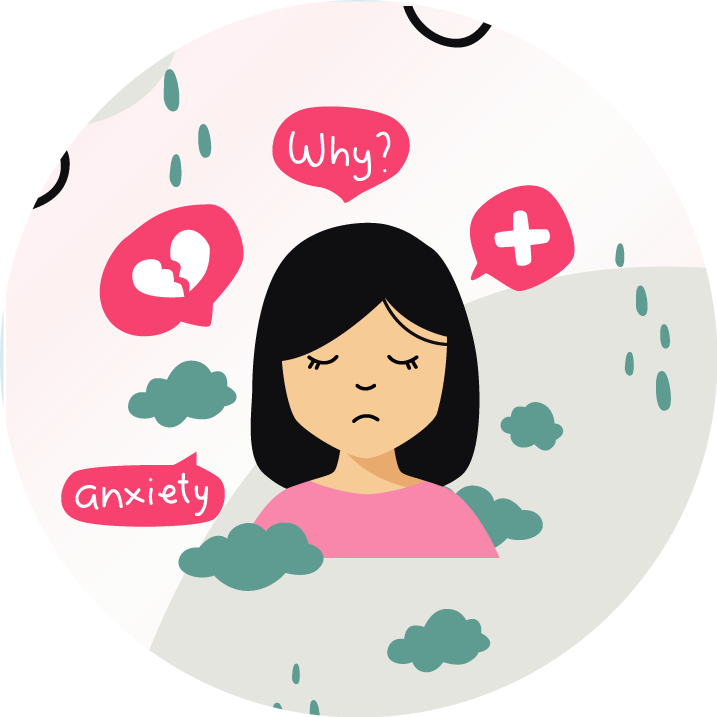
- “Why would I even think this?”
- “What if I lose control?”
These reactions often intensify emotional distress and make intrusive thoughts feel even more real.
Emotional Triggers and Mental Overload
Intrusive thoughts are commonly intensified during emotionally difficult periods. Emotional exhaustion, uncertainty, unresolved fears, or major life transitions may increase mental overload and emotional sensitivity.
Individuals experiencing symptoms linked to generalised anxiety disorder (GAD) may become trapped in cycles of excessive worry, mental checking, and emotional overthinking. The mind continuously searches for certainty and reassurance, which can unintentionally strengthen the emotional power of intrusive thoughts. Situations involving emotional pressure, work stress, or interpersonal difficulties may also increase mental exhaustion and emotional vulnerability.
The Connection Between Emotions and Thought Patterns
The human brain naturally reacts strongly to emotionally uncomfortable topics. Intrusive thoughts often target subjects that individuals deeply care about or fear emotionally.
For example, individuals who value trust and loyalty may experience disturbing thoughts related to cheating & infidelity, even when they have no desire or intention to behave dishonestly. The emotional discomfort occurs precisely because the thought conflicts with their values and emotional identity.
Similarly, emotionally sensitive individuals may become highly distressed by aggressive, embarrassing, or socially inappropriate thoughts because these thoughts feel inconsistent with who they truly are.
Emotional Reactions to Intrusive Thoughts
People experiencing intrusive thoughts often attempt to suppress, analyze, or “neutralize” the thoughts immediately. Unfortunately, trying too hard to eliminate thoughts often increases mental focus on them. This emotional struggle may lead to frustration, shame, confusion, or even emotional outbursts involving anger toward oneself. Individuals may criticize themselves harshly for having thoughts they never intended to think. Over time, constant mental monitoring may become emotionally exhausting, reducing emotional confidence and increasing self-doubt.]
Social Withdrawal and Emotional Isolation
Many individuals avoid discussing intrusive thoughts because they fear being misunderstood or judged. This silence may increase emotional isolation and emotional confusion. Persistent fear of judgment can contribute to social anxiety, particularly when individuals worry others may misunderstand their thoughts or emotional experiences. Some individuals begin avoiding conversations, relationships, or emotionally vulnerable situations due to fear and embarrassment. This emotional withdrawal may gradually contribute to feelings of loneliness, especially when individuals believe they are “the only person” experiencing these thoughts.
Learning Emotional Regulation Skills
Developing healthier emotion control strategies is an important part of managing intrusive thoughts. Emotional regulation does not involve forcing thoughts away; instead, it involves learning how to respond to thoughts calmly without becoming emotionally overwhelmed.
When individuals stop treating intrusive thoughts as dangerous or meaningful, the brain gradually reduces its emotional reaction to them. Emotional acceptance often weakens the intensity and frequency of distressing thoughts over time. Learning to observe thoughts without panic or judgment helps individuals break cycles of emotional fear and mental overanalysis.
The Role of Mindfulness in Managing Thoughts
Practicing mindfulness can be highly beneficial for individuals struggling with intrusive thoughts. Mindfulness encourages people to observe thoughts without immediately reacting emotionally or assigning meaning to them.
Instead of asking, “Why am I thinking this?” mindfulness encourages a calmer response:
- “This is simply a thought.”
- “Thoughts are not actions.”
- “Thoughts do not define character.”
Breathing exercises, grounding techniques, and present-moment awareness can help reduce emotional reactivity and mental overwhelm. Mindfulness also supports emotional awareness by helping individuals recognize emotional triggers and reduce automatic fear responses.
Rebuilding Confidence and Emotional Stability
Recovery from intrusive thoughts involves rebuilding emotional confidence and reducing fear-based reactions. Individuals gradually learn that thoughts alone are not dangerous and do not reflect hidden intentions or personality flaws. Setting realistic emotional goals through structured goal-setting strategies may help individuals improve emotional resilience over time. Small steps such as reducing reassurance-seeking, improving routines, trategies may help individuals improve emotional resilience over time. Small steps such as reducing reassurance-seeking, improving routines, practicing relaxation exercises, or discussing emotions openly can support emotional progress. Emotional healing often becomes easier when individuals practice self-compassion instead of self-criticism.
Professional Support and Guidance
Persistent intrusive thoughts can feel emotionally exhausting, especially when individuals struggle to manage fear, shame, or emotional confusion alone. Professional psychological support can help individuals better understand thought patterns while developing healthier coping strategies.
Many individuals benefit from Online Counselling because it provides confidential emotional support in a comfortable environment. Working with an experienced online counsellor allows individuals to discuss emotionally distressing thoughts safely without fear of judgment.
Services such as Online Therapy and Online Counselling India make mental health support more accessible for individuals seeking flexible and private psychological care. Individuals looking for support from a Top Psychologist in India can access professional guidance focused on emotional regulation, anxiety management, and cognitive coping strategies. Professional therapy can help individuals reduce emotional distress while strengthening emotional resilience and healthier thinking patterns.
Moving Toward Emotional Balance
Intrusive thoughts can feel frightening and emotionally convincing, but they do not define a person’s identity, intentions, or character. Understanding how the brain reacts to fear and uncertainty can help individuals respond more calmly and compassionately to unwanted thoughts. With emotional awareness, mindfulness practices, healthy coping strategies, and professional support, individuals can gradually reduce emotional fear and regain emotional confidence.
Conclusion
Intrusive thoughts are common psychological experiences that often feel emotionally intense because the brain reacts strongly to fear, uncertainty, and emotional discomfort. While these thoughts may feel disturbing or confusing, they are not reflections of a person’s true intentions or character.
Learning emotional regulation strategies, mindfulness techniques, and healthier coping skills can significantly reduce emotional distress associated with intrusive thoughts. Professional support can further help individuals understand thought patterns and rebuild emotional confidence. Platforms like TalktoAngel provide accessible online counselling services designed to support emotional well-being, anxiety management, and healthier coping strategies through compassionate and professional psychological care.
Individuals interested in learning more about self-improvement, emotional well-being, and mindfulness can also explore educational mental health content and informative videos through the TalktoAngel YouTube Channel. Intrusive thoughts often feel convincing and unsettling because they trigger intense emotional reactions, making it difficult to separate fear from reality. Gaining insight into repetitive worry patterns and compulsive behaviors can help individuals recognize these experiences more clearly, while professional therapeutic support for managing persistent obsessions and rituals can provide effective strategies to reduce distress and regain a sense of control.
Contributed by Dr. (Prof.) R. K. Suri, Clinical Psychologist and Life Coach, Mr Harshit Vaid Counselling Psychologist.
References
- American Psychiatric Association. Diagnostic and statistical manual of mental disorders (5th ed.). American Psychiatric Publishing.
- Beck, J. S. Cognitive behavior therapy: Basics and beyond (2nd ed.). Guilford Press.
- Clark, D. A. Intrusive thoughts in clinical disorders: Theory, research, and treatment. Guilford Press.
- Linehan, M. M. DBT skills training manual (2nd ed.). Guilford Press.
- Neff, K. D. Self-compassion: The proven power of being kind to yourself. William Morrow.
- Salkovskis, P. M. Understanding and treating obsessive-compulsive disorder. Behaviour Research and Therapy, 37(1), S29–S52.
- TalktoAngel. Mental health and emotional well-being. https://www.talktoangel.com/blog/
- World Health Organization. Mental health and well-being. https://www.who.int/news-room/fact-sheets/detail/mental-health-strengthening-our-response
- https://www.talktoangel.com/blog/ocd-treatment-for-unwanted-thoughts-and-compulsive-behaviour
- https://www.talktoangel.com/area-of-expertise/ocd
- https://www.talktoangel.com/blog/obsessive-compulsive-disorder-ocd-symptoms-types-and-treatment
Leave a Comment:
Related Post
Categories
Related Quote

“Treat a man as he is and he will remain as he is. Treat a man as he can and should be and he will become as he can and should be.” - Stephen R

“Remember: the time you feel lonely is the time you most need to be by yourself. Life's cruelest irony.” - Douglas Coupland
“Anxiety is a thin stream of fear trickling through the mind. If encouraged, it cuts a channel into which all other thoughts are drained.” - Arthur Somers Roche

“You say you’re ‘depressed’ – all I see is resilience. You are allowed to feel messed up and inside out. It doesn’t mean you’re defective – it just means you’re human.” - David Mitchell, Cloud Atlas

“Fear less, hope more, eat less, chew more, whine less, breathe more, talk less, say more, hate less, love more, and good things will be yours.” - Swedish Proverb
Best Therapists In India





SHARE